
目录

《Kotlin核心编程》读书笔记 第二章 基础语法
在Kotlin中,如果函数没有返回值,函数会默认被当成 Unit 类型。而 Java 中是void 关键字来标识的。
它们的区别是什么? Unit 是一个类型,而void 是一个关键字。val : 引用不可变, 使用 val声明的变量具有Java 中的final关键字效果。这里强调的是引用不可变。
优先使用val 来避免副作用:尽可能采用val、不可变对象及纯函数老设计程序。
Kotlin 天然支持了部分函数式特性。函数式语言一个典型的特征就在于 函数是头等公民。
高阶函数(更加抽象):接受一个或多个过程(函数)为参数;或者以一个过程(函数)作为返回结果。
- 函数类型的格式:(Int) -> Unit。
- 使用 -> 符号来组织参数类型和返回值类型,左边是参数类型,右边是返回值类型;
- 必须使用一个括号来包裹参数类型。
- 返回值类型即使是Unit,也必须显式声明。(如果没有参数使用直接使用“()”)
Kotlin 支持为声明参数指定名字:(errCode:Int,errMsg:String)-> Unit.
如果要表示该函数类型可选 : ((errCode:Int,errMsg:String)-> Unit)?。
高阶函数还支持返回一个函数 :(Int)->((Int)->Unit);
- Kotlin 中通过两个冒号来实现对于某个类的方法进行引用。
- Lambda 表达式 是一种语法糖,简化表达后的匿名函数。
- 一个Lambda 表达式必须通过{}来包裹
- 如果Lambda声明了参数部分的类型,且返回值类型支持类型推导。那么Lambda变量就可以省略函数类型声明。
- 如果Lambda 变量声明了函数类型,那么Lambda的参数部分的类型就可以省略。
如果 Lambda表达式返回的不是Unit,那么默认最后一行表达式的值类型就是返回值类型。
- 柯里化(Currying):指的是把接收多个参数的函数变成一系列仅接收单一参数函数的过程。
- fun sum(x:Int,y:Int,z:Int) = x+y+z
(柯里化)fun sum(x:Int) = {y:Int -> {z:Int -> x+y+z}}
调用方式:println(sum(1,2,3))
(柯里化)println(sum(1)(2)(3))
- fun sum(x:Int,y:Int,z:Int) = x+y+z
- Koltin中的扩展函数允许我们在不修改已有类的前提下,给它增加新的方法。
为View添加一个隐藏方法。
kotlin
复制代码
fun View.invisible(){
    this.visibility = View.INVISIBLE
}面向表达式编程:表达式和语句是不同的概念。
- 表达式可以是一个值、常量、变量、操作符、函数、或者它们之间的组合,编程语言对其进行解释和计算,以求产生另一个值。
- Unit类型:让函数调用皆为表达式。Unit作为一种类型引入,代替了Java的void关键字,结果是Kotlin函数在所有情况下都具有返回值类型。(也就满足了表达式的意思)
- Unit是一种类型,但是它不代表任何信息,他的实例只有一个,可写为();
Kotlin中的 “?:”:这里的问号和冒号必须放在一起使用,它被称为Elvis运算符,或者null 合并运算符。Kotlin中可以用"?"来表示一种类型的可空性,我们可以用"?:"来给一种可空类型的变量指定为空的情况下的值。
When表达式:
- 每个逻辑分支具有返回值,最终整个when表达式的返回值就是所有分支相同的返回类型,或者公共的父类型。
- when关键字的参数可以省略,但是这种情况下,分支 -> 的左侧部分需要返回布尔值类型。
for 循环
- 范围表达式:1..10 [1,10];step函数来定义迭代的步长
kotlin复制代码for(i in 1..10 step 2) print("$i ") >>>1 3 5 7 9- 倒序使用 downTo方法来实现
kotlin复制代码for(i in 10 downTo 1 step 2) print("$i ") >>> 10 8 6 4 2- 使用 until 函数 实现 一个半开区间:1 until 10 ===[1,10)
kotlin复制代码for(i in 1 until 10) print("$i ") >>>1 2 3 4 5 6 7 8 9- 使用 in 关键字,在kotlin中用它来对检查一个元素是否在一个区间或者集合中的成员。在其前面加上"!"来去相反。
kotlin复制代码"a" in listOf("b","c") >>> res4: kotlin.Boolean = false "a" !in listOf("b","c") >>> res5: kotlin.Boolean = true- 任何提供了迭代器(iterator)的结构都可以用for语句进行迭代;还可以通过withIndex方法,提供一个键值元组。
kotlin复制代码val array = listOf("a","b","c","d") for (c in array) print("$c ") println("------------------") for((index,value) in array.withIndex()){ println("index $index --> value $value ;") } >>>> a b c d ------------------ >>> index 0 --> value a ;index 1 --> value b ;index 2 --> value c ;index 3 --> value d ;中缀表达式:A 中缀方法 B。
- 需要用 infix 关键字修饰 才表示是中缀表达式。
定义满足中缀表达式的条件 - 该中缀函数必须是某个类型的扩展函数或者成员方法,
- 该中缀函数只能有一个参数;
- 虽然Kotlin中的函数参数支持默认值,但中缀表达式的参数不能有默认值
- 该参数不能是可变参数。
to 就是一个中缀表达式。
Kotlin复制代码val map = mapOf( 1 to "one", 2 to "two", 3 to "three" ) for(m in map){ println("${m.key}--->${m.value}") } >>> 1--->one >>> 2--->two >>> 3--->three- 尝试定义一个中缀表达式
Kotlin复制代码class Person{ infix fun called(name: String){ println("My name is $name") } } fun main() { val p = Person() p called "小明" } >>> My name is 小明- 需要用 infix 关键字修饰 才表示是中缀表达式。
字符串定义和操作
- 定义原生字符串(不需要使用麻烦的转义字符):使用三个引号 来声明,效果是:输入的是什么就是什么。
kotlin复制代码val str = """ \n \n ///// \\\\ ... """ println(str)- 字符串判等
Koltin中判断性主要两种类型:- 结构相等:通过操作符 == 来判断两个对象的内容是否相等。
- 引用相等:通过操作符 === 来判断两个对象的引用是否一致,与之相反的判断符是 !== 。
本文由 YanLQ 原创发布于 阳光沙滩 , 未经作者授权,禁止转载
评论
0 / 1024

真不错,希望博主多发一点Kotlin的技巧
2021-05-10 09:12回复
 YanLQ
回复@南城阿宇: 谢谢啦,我还是新手,这些感觉有点容易玩就记录一下分享分享。
2021-05-10 13:12回复

写文章多的话,可以上传打赏码哦!或者有人喜欢你的文章呢?从你的文章中得到了帮助。
2021-05-09 15:59回复
推荐文章
一篇文章讲清楚 Android 签名:PK8、X509.PEM、JKS 是什么?它们有什么关系?
深入解析Android应用与系统签名的核心文件:PK8、X509.PEM与JKS。本文从非对称加密原理出发,厘清私钥、证书与密钥库的本质区别及相互转换方法,涵盖AOSP平台签名与普通应用发布的实际场景。通过对比V1-V4签名方案及解答常见疑难,助你掌握保障APK完整性与身份认证的关键技术,规避签名丢失或冲突风险。
系统监控运维系统
你是否也深受证书过期、磁盘满载等运维痛点的折磨?排查耗时,影响线上体验。本文分享一款自研运维系统面板,集成证书统一监测、资源预警及WebSSH等功能,实现问题快速定位与处理。附代码共享链接,欢迎参考或二次开发,提升运维效率。
断点说搞个万年历,怎么搞?
想快速拥有一个专属的程序员日历?只需一篇清晰的设计文档,剩下的交给AI!本文带你从零搭建“sob-calendar”项目,集成农历、节气及独特的程序员运势功能。通过实际案例展示如何利用AI高效生成代码并部署上线,让繁琐的开发工作变得轻松有趣,快来体验科技与传统历法的奇妙碰撞吧!

linux服务器的日志、容器清理
本手册提供了一套全面的Linux服务器磁盘清理与排查方法,帮助用户高效管理磁盘空间。通过查看磁盘使用情况、分析Docker占用、清理无用容器和日志,确保系统运行流畅。适合需要优化服务器性能的运维人员参考。

记给网站接入图形验证码
本文分享了如何为个人站点添加图形验证码以提升安全性,详细介绍了使用第三方接口实现验证码功能的过程,并通过代码示例展示了具体实现方式。对于关注网站安全的开发者来说,这篇文章提供了实用的参考价值。
Java开发环境搭建
本文是一份详细的Java开发环境搭建指南,涵盖了Java的发展历史、版本选择及安装配置过程。无论你是初学者还是有经验的开发者,都能从中找到实用的信息和步骤,帮助你快速上手Java开发。
Vue3.js项目的创建
本文详细介绍了如何使用Vue3创建项目,包括Node.js的安装和配置,以及项目的初始化过程。适合初学者学习如何快速搭建Vue3开发环境,并推荐了相关课程供进一步学习。
Network Tools : 您的运维“助手”升级了
Network Tools是一款专为解决运维难题而设计的软件,集设备管理、配置备份、性能监控和告警处理于一体。通过统一的工作台,帮助运维人员更高效地管理资产、定位故障并提升团队协作效率。无论是设备在线状态还是具体问题排查,都能得到全面支持。
Ubuntu 软件安装与彻底卸载指南
本文详细介绍了在 Ubuntu 系统中如何规范安装和彻底卸载 .deb 格式软件,包括依赖修复、残留清理以及图形化工具推荐,适合需要维护系统环境的用户。
JavaWeb开发客户程序更新特殊环境下的骚操作
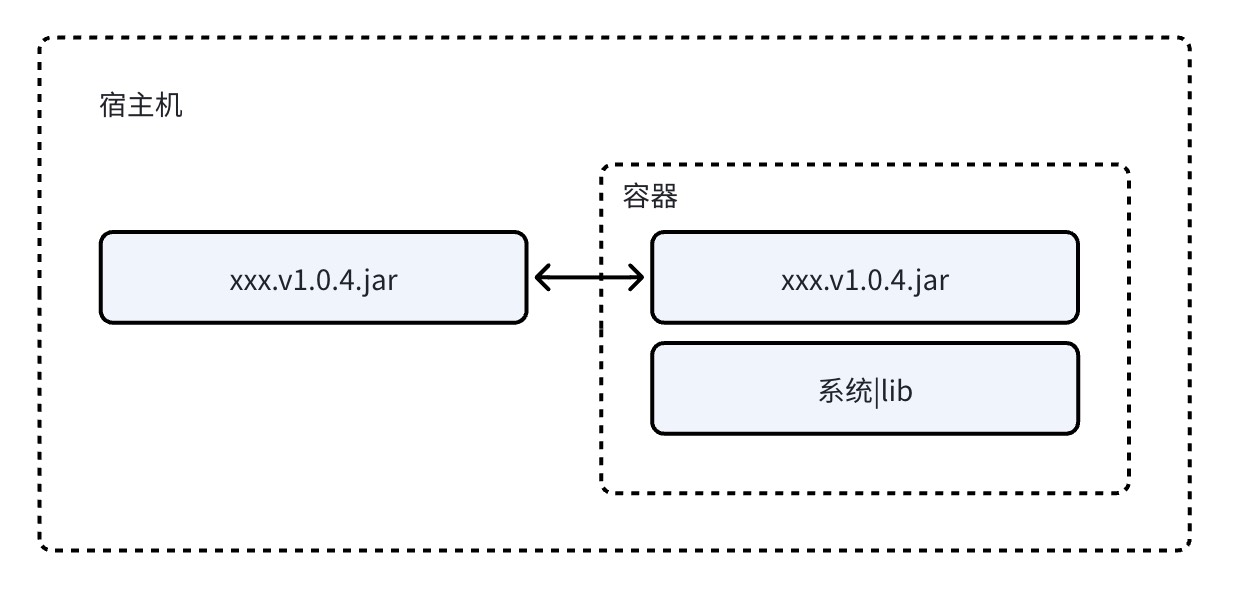
本文分享了在无外网环境下,如何利用Docker和docker-compose实现高效部署的实战经验。通过基础镜像和本地jar包挂载的方式,解决了内网环境下的依赖问题,适合需要灵活部署方案的技术人员参考。
Linux 防火墙完全指南:从原理到多发行版实战
本文全面解析Linux防火墙的底层原理与主流工具配置,涵盖UFW、firewalld、iptables、nftables等方案,适合不同发行版用户。从基础概念到生产环境加固建议,助你掌握核心安全策略,确保服务器与网络的安全运行。
水上派对英语单词篇
探索FLOATOPIA水上派对的完整指南,涵盖签到流程、场地指引、安全须知、活动安排及夜场舞会等实用英语词汇与对话。无论是初学者还是老手,都能轻松掌握关键术语,享受完美水上体验。
麒麟操作系统下使用 virt-customize 重置虚拟机 root 密码实战
本文详细介绍了在麒麟操作系统环境下使用 virt-customize 工具重置 KVM 虚拟机 root 密码的完整流程,包含安装步骤、常见问题及解决方案,帮助运维人员高效处理密码遗忘或批量初始化场景,避免数据丢失。
浅析JS预编译-函数篇
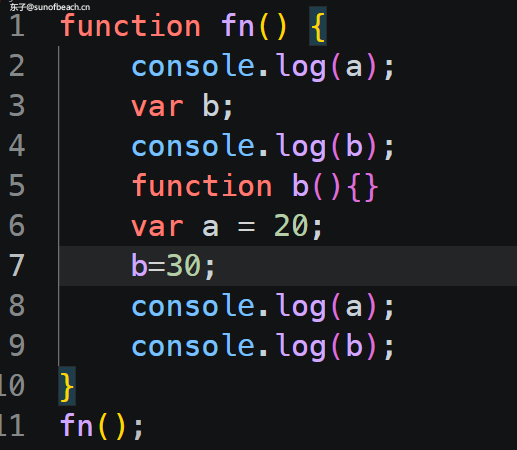
本文详细讲解了JavaScript中函数的预编译过程,包括AO对象的创建、变量和函数声明的提升,以及执行阶段的变化。适合初学者了解JS执行机制,帮助深入理解代码运行逻辑。
访问Github的另一种姿势
本文介绍了如何通过Watt ToolKit等工具加速访问Github,适合对网络技术感兴趣的读者。内容涵盖工具介绍、下载和使用方法,以及一些实用技巧,值得一看。

使用Gulp压缩JS
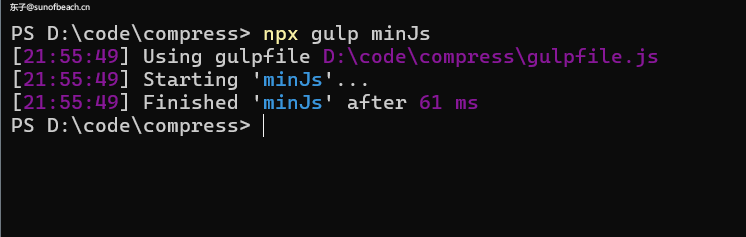
本文详细介绍了如何使用Gulp压缩JavaScript文件,特别是支持ES6语法的处理方法。通过实际操作和效果对比,帮助开发者提升代码性能,适合对前端自动化工具感兴趣的读者。
使用Gulp压缩CSS
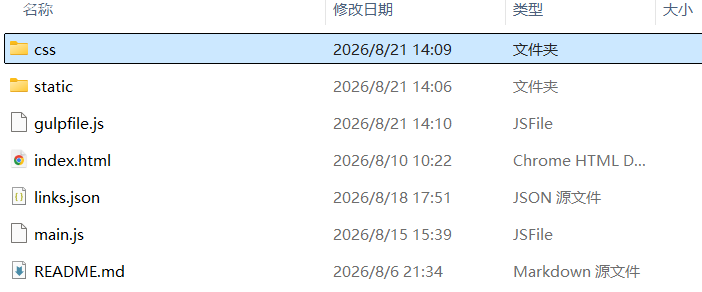
本文详细介绍了如何使用Gulp工具对CSS文件进行压缩,提升网页加载速度。适合需要优化静态资源的开发者,提供清晰的步骤和示例,帮助快速上手。
从0部署Nuxtjs项目
本文详细介绍了如何将Nuxt.js项目部署到公网,涵盖Node.js安装、环境配置、源码上传及使用PM2启动服务的全过程,适合开发者学习和实践。
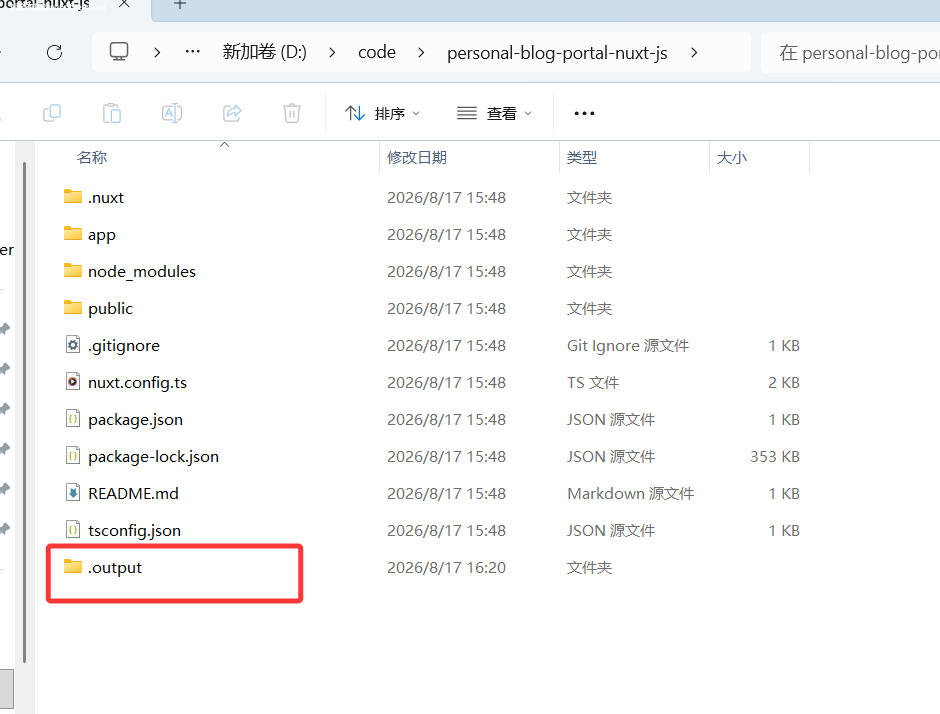
Linux 命令行美化利器:tree 命令完全指南(安装 + 全部参数详解)
掌握 Linux 下的 `tree` 命令,快速直观地查看目录结构。本文详细讲解安装方法、参数含义及实战场景,适合开发者和系统管理员提升工作效率。
Linux常用命令(一)
本文详细介绍了Linux基础命令,包括文件操作、系统显示、网络状态、软件包管理等,适合初学者学习和查阅,是掌握Linux系统的实用指南。
大模型推理参数解码:温度、Top-p 与核采样如何塑造生成文本的灵魂
探索大语言模型的采样参数如何塑造生成内容,从温度到Top-p,从惩罚机制到熵控制,揭示背后的信息论原理与实践策略。了解如何通过参数调优,让AI既保持知识的严谨,又拥有创造力的自由。
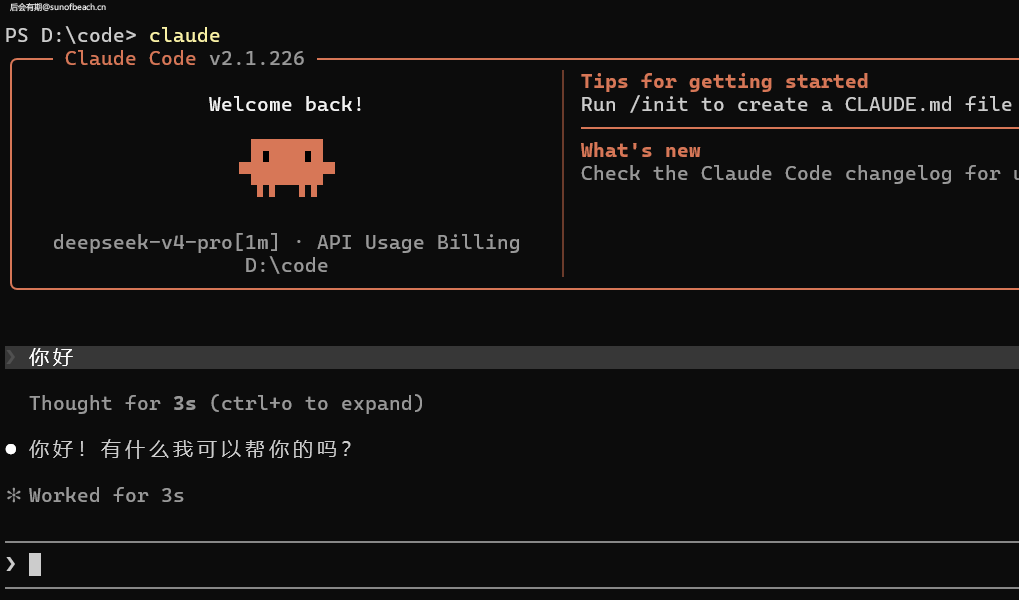
记从0使用Claude code写代码
本文介绍了如何使用Claude Code搭配DeepSeek进行编程,详细讲解了安装Node.js、全局安装Claude、配置模型以及使用方法。对于开发者来说,这是一份实用的技术教程,尤其适合对AI编程工具感兴趣的读者。
Android-Studio-Gradle同步失败-Library为null的通用排查指南
遇到 Android Studio Gradle Sync 失败时,不要轻易删除全局缓存。本文详细解析了错误原因,并提供了一系列精准的排查步骤和解决方案,帮助开发者快速定位并解决问题,提升开发效率。
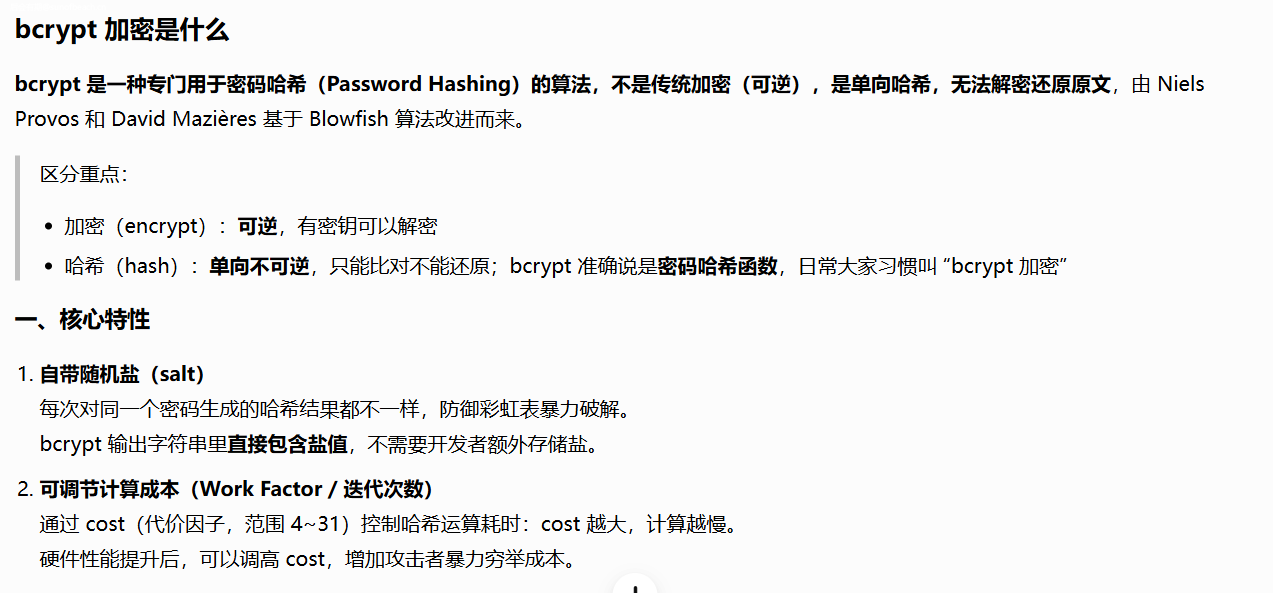
PHP实现密码加密
本文详细介绍了Bcrypt密码加密技术及其在PHP中的应用,帮助开发者提升用户密码的安全性。通过实际代码示例,展示了如何使用password_hash和password_verify函数进行密码加密与验证,是学习网络安全知识的实用指南。
WordCloud效果,滚动标签
本文详细介绍了如何在Vue项目中集成WordCloud组件,包括依赖安装、属性配置和使用方法。适合开发者学习如何实现数据可视化功能,提升项目交互体验。
从0使用WordPress搭建一个优美的网站
本文详细介绍了如何使用WordPress搭建一个美观的网站,从安装到主题配置和功能拓展,为读者提供了实用的操作指南。无论是初学者还是有一定经验的开发者,都能从中获得有价值的参考。

JS实现在网站底部添加运行时间
想知道如何在网站底部显示运行时间?本文详细讲解了通过JavaScript实现这一功能的方法,包括时间计算逻辑和代码实现。适合前端开发者学习参考,轻松为网站添加实用功能。
在Vercel上部署Hexo博客
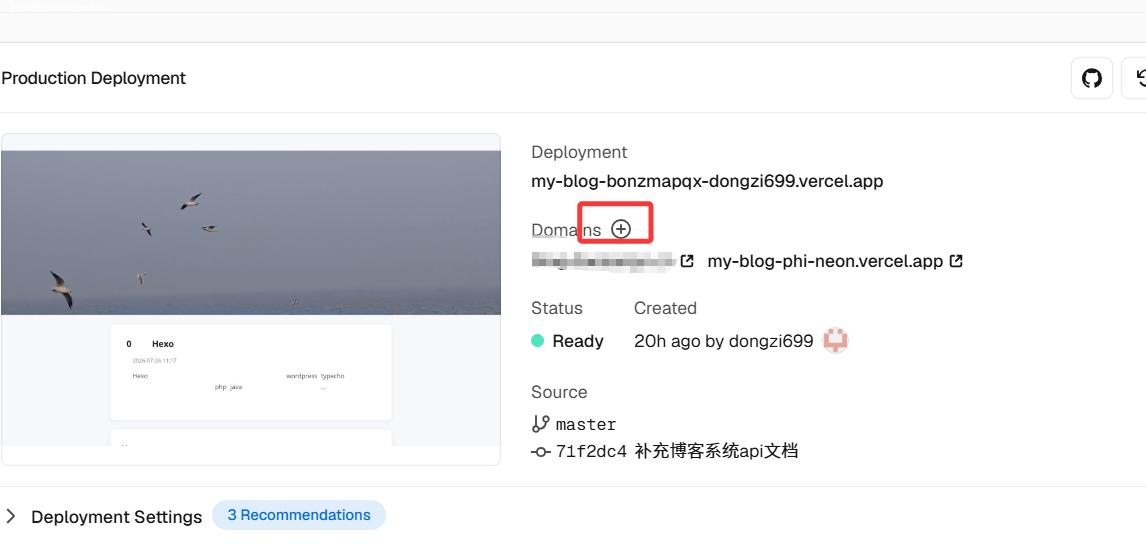
本文详细介绍了如何在Vercel上快速部署Hexo博客,无需后端服务即可实现高效发布。相比传统方式,省去了手动生成和上传静态文件的步骤,更加便捷。适合想要搭建个人博客的开发者参考。
从0搭建一个Hexo博客
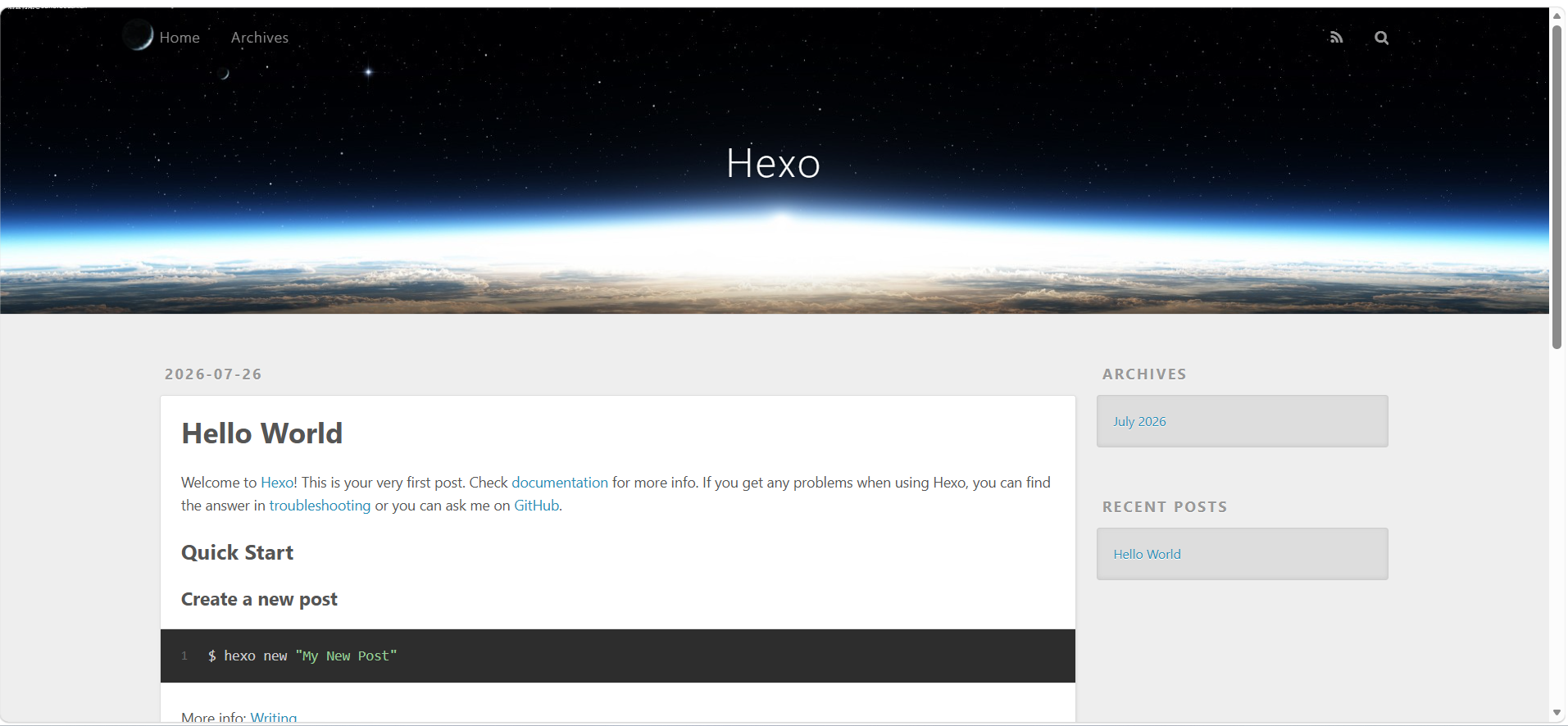
本文详细介绍了Hexo博客框架的使用方法,从安装到部署全流程讲解,适合想快速搭建个人博客的技术爱好者。内容清晰易懂,是入门Hexo的理想指南。
离线设备激活方案:古老的 Windows 光盘激活,离线算法授权等
本文深入解析了离线激活的核心原理与实现方式,从历史案例到现代技术,全面剖析了如何在无网络环境下确保软件授权的安全性。通过设备指纹、授权文件校验等手段,为开发者提供了可复用的架构设计思路,适用于工业、医疗等对网络依赖较低的场景。
3